Why most leaders struggle with sales coaching.
This page explores what effective sales coaching actually looks like in practice. It separates true coaching from micromanagement, performance reviews, or motivation tactics, and positions coaching as a repeatable leadership skill.
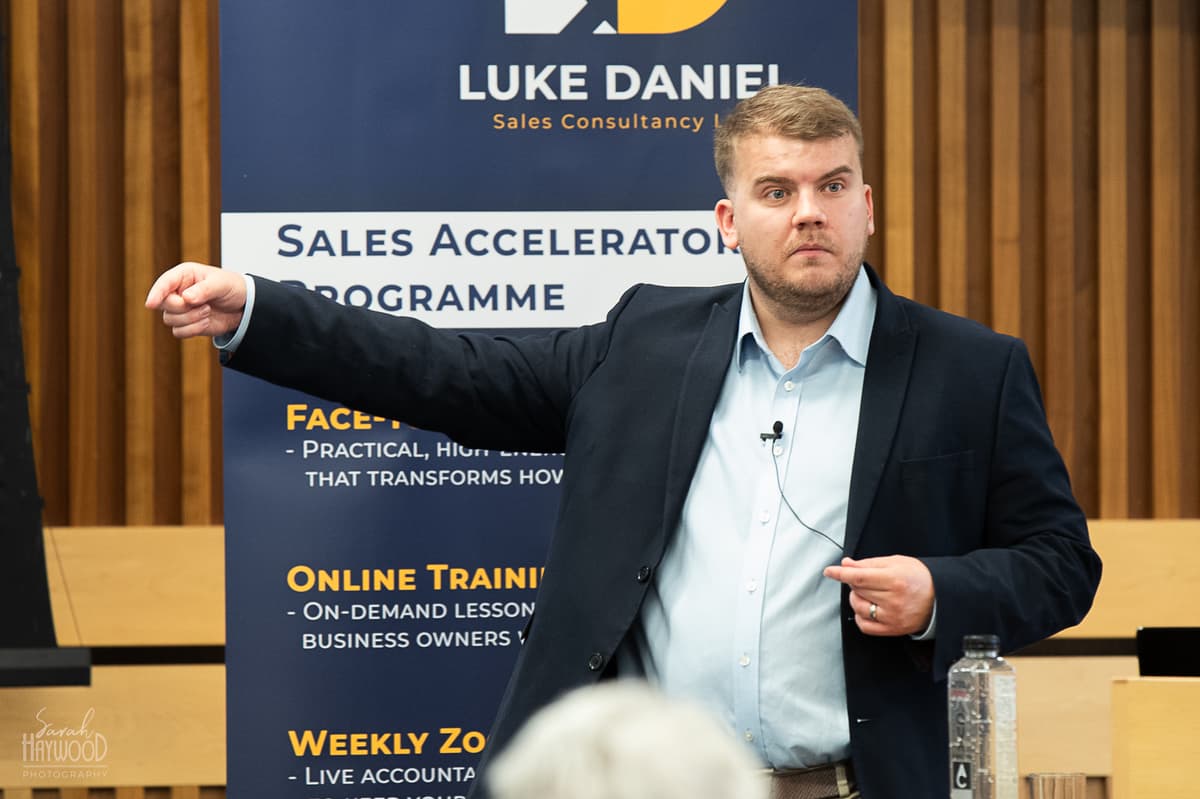
Effective Coaching Principles
- Not micromanagementTrue coaching builds ownership
- Repeatable skillLeadership capability
- Build confidenceRecognise strengths
Over the weekend Jess and I finally got round to watching the last Mission Impossible movie. I have to admit I love those films, even Mission Impossible three. They are fantastic action movies. Of course we are watching Tom Cruise running and sprinting in every single one of the movies, sometimes for what feels like an eternity, but the reality is it is just a great action movie and he gets to be the hero of the story.
When watching a film, that is fine. We are looking to be entertained. But sometimes that mindset translates into the real world. In real life, we often want to impress other people. We want to achieve things that make us feel successful. We want to be the hero of our own story.
The hidden problem with hero leadership
If I am playing football with friends, I want to do something skilful and memorable. If I am running a business, I want it to be financially successful so I can support my family. The reality is that for all of us, we want to feel significant to the people who matter to us.
When it comes to leadership, that instinct can become a problem. As leaders, we can start to believe that our value comes from having all the answers. We think our role is to tell people what to do because we are the source of knowledge and experience.
Hero vs Coach Leadership
- Hero mindsetHaving all the answers
- Coach mindsetHelping others find answers
- Build ownershipLet team be heroes
Why great coaching is not telling people what to do
The reality is that the people we manage and lead also want to be the hero of their own story. For people who are competent and experienced, being told what to do can actually be frustrating. Often they already know the answer.
When they come to you with a question, many times they are not looking for instruction. They are looking for confirmation. But instead of asking a thoughtful question, leaders often go into a ten or twenty minute explanation of the perfect solution.
The response at the end is often: 'Yes, that was what I was thinking.' A single well-timed coaching question could have achieved the same result, while also building confidence and ownership.
Effective Coaching Approach
A real coaching moment that changed everything
Recently I was coaching a sales professional who had just delivered an excellent proposal presentation. They were naturally gifted at understanding what the other person wanted. They wrote everything themselves, whether that was email communication or the proposal deck itself.
Because they felt emotionally connected to what they were presenting, there was genuine passion in the delivery. In the post-meeting coaching session, there was nothing tactical to fix. No script to improve. No framework to introduce.
All that was needed was one question to cement their self-confidence. I asked: 'Where do you think that attention to detail and preparation comes from?'
The real impact of effective sales coaching
Many sales professionals go through their careers hearing far more feedback about what they need to improve than what they already do well. Over time, that can erode confidence.
Effective sales coaching is not about constant correction. It is about helping people recognise their strengths and understand how those strengths create results.
When someone feels confident in their ability and has experience to back it up, they become a powerful force within your team. They take ownership. They perform consistently. They grow.
A natural next step for developing coaching capability
If you want to deepen your ability to coach salespeople with confidence, structure, and impact, live leadership and management training can help turn these moments into a repeatable leadership skill.
Frequently Asked Questions
What is the difference between coaching and telling in sales?
Telling gives someone your answer. Coaching helps them find their own. Effective coaching uses well-timed questions to build self-awareness and ownership, which leads to lasting behaviour change.
How often should a sales leader coach their team?
Coaching should happen regularly and proactively, not only when something goes wrong. Short, consistent coaching conversations are more effective than long, infrequent sessions.
Why do experienced sellers still need coaching?
Even experienced sellers have blind spots. Coaching helps them recognise strengths, build confidence, and stay sharp. It is not about fixing problems. It is about supporting continued growth.
Is the issue skill, process or management control?
More coaching may be useful, but the Diagnostic can identify whether the priority is coaching, process clarity, skill development or stronger accountability.
The Sales Control Diagnostic reviews Prospect, Assess, Convert and Execute to identify whether the main bottleneck sits in the sales process, team capability, management rhythm or deal execution.